September 24, 2026 · By Chris Floersch
The Man Behind the Trophy — Who Was John Morton?
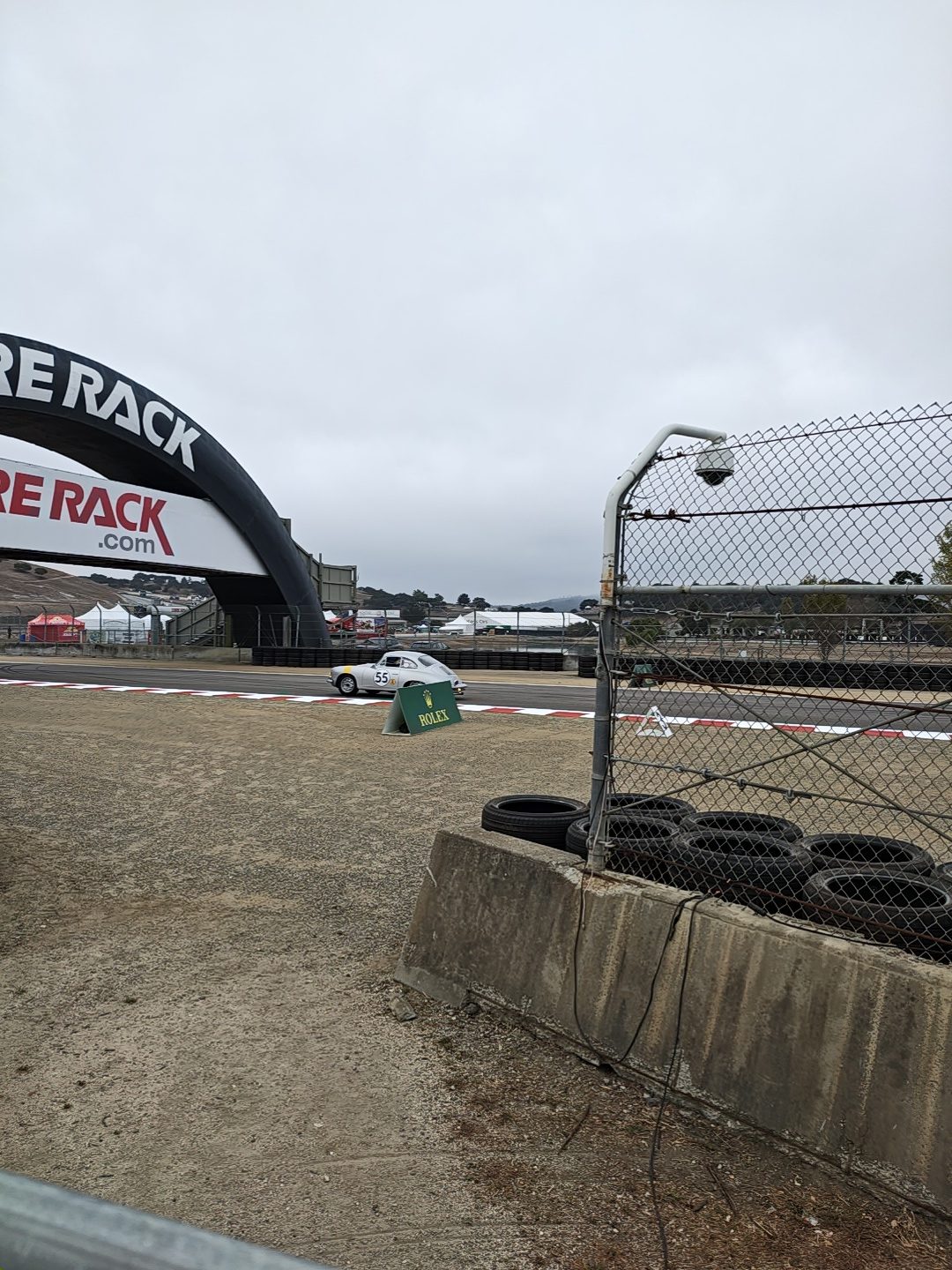
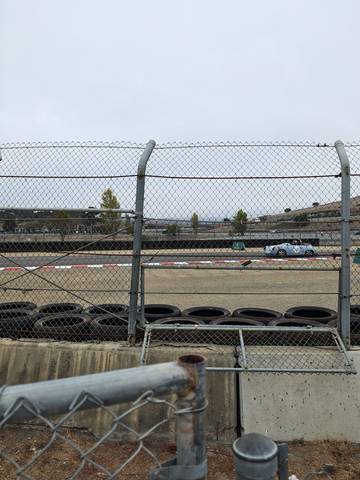
Every group that races at a historic event like this one is named after someone — usually someone who earned it the hard way. This morning's group, small British and Italian sports cars from the 1950s and '60s, races for the John Morton Trophy. Here's why that name matters.
John Morton didn't start out famous. He dropped out of college, drove out to California with almost nothing, and signed up for a driving school run by a race car company called Shelby American. His instructor that week was a man named Peter Brock — yes, the very same Peter Brock we sat down with for our interview (you can watch the full conversation here). That one week changed both of their lives.
Before any of the fame came, Morton raced exactly the kind of car you're looking at right now — small, light, inexpensive British sports cars, the same spirit as this morning's group. His first race car was a tiny Lotus Seven. Not a factory racing team, not a big budget — just a guy and a small car, learning the ropes the same way racers have for generations.
A few years later, Peter Brock — now running his own race team, BRE — gave Morton a shot in something nobody expected to win: a Datsun. Morton won back-to-back national championships in the Datsun 240Z. Then came the part that made him a legend: BRE built a race version of an unglamorous little economy car, the Datsun 510, and Morton drove it to victory in every single race the team entered it in for an entire season. People who study racing history still talk about that record today.
That's why this morning's group carries his name. Every driver out there, in a small, unglamorous sports car, chasing the same kind of racing Morton once did himself — that's the whole story, right there on track.
For the gearheads: Morton's BRE 510 ran a heavily modified version of Nissan's L-series engine — by BRE's own account, they'd pushed the stock 1.6L four from roughly 100 horsepower up past 190, entirely through their own engine program, at a time when nobody expected a Japanese economy car to make that kind of power reliably. Across the 1971–72 Trans-Am 2.5 seasons, Morton won 16 poles and 12 of 19 races — a winning percentage rarely matched before or since in that series. Before all that, his club-racing roots were in a Lotus Seven and later a Lotus 23B, both cars built on the same core principle you'll see in this morning's field: strip weight out, keep the engine small, and let the chassis do the work. Morton is still racing today, in his 80s, with nine starts at Le Mans on his résumé along the way.
Photos